Cheese boards are more than just serving platters—they are the centerpiece of culinary artistry. Whether you’re hosting a wine-and-cheese soirée, a casual family gathering, or a solo indulgence, the choice of cheese board can elevate your experience from ordinary to extraordinary. Among the myriad options available, marble and wooden cheese boards stand out as timeless classics. Combining aesthetics, functionality, and durability, these materials offer distinct advantages that cater to different preferences and occasions. Marble and wood cheese boards are indispensable for cheese lovers, each bringing unique benefits to the table. By comparing their strengths and offering tips for selecting the perfect board, you can make an informed choice that enhances your culinary adventures.
Why Cheese Boards Matter
Before diving into the specifics of marble and wood, it’s worth understanding why cheese boards are essential. A well-crafted cheese board does more than hold food; it enhances flavor preservation, provides an elegant presentation, and reflects personal style. The right board can:
- Preserve freshness: Non-porous materials like marble slow bacterial growth, while wood’s natural tannins protect against moisture.
- Enhance aesthetics: A beautiful board doubles as décor when not in use.
- Improve functionality: Textured surfaces prevent cheese from sliding, and durable materials withstand knives and wear.
Marble and wood excel in these areas but cater to different needs. Let’s break down their strengths.
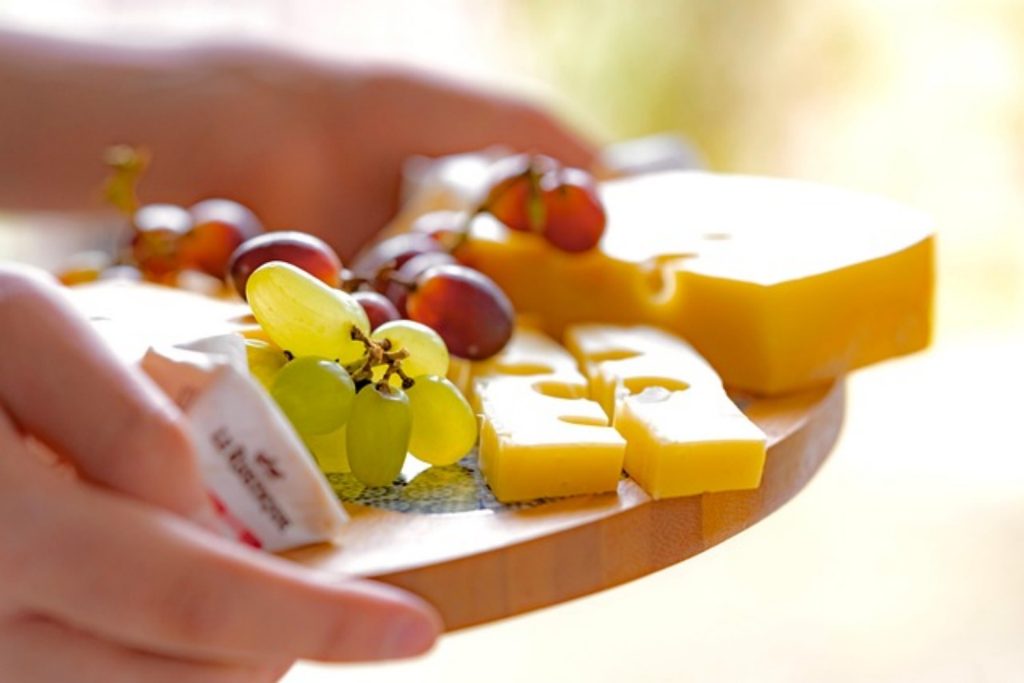
The Allure of Marble Cheese Boards
Timeless Elegance
Marble has long been synonymous with luxury. Its veined patterns and cool, polished surface add sophistication to any table setting. A marble cheese board becomes a statement piece, ideal for formal events or modern kitchens. Oumeite’s marble boards, for instance, are handcrafted from high-quality stone, ensuring no two boards are identical—each carries its own natural artistry.
Functional Benefits
- Temperature control: Marble’s natural coolness helps keep cheeses like brie or camembert at an optimal temperature, preventing them from becoming overly soft.
- Hygiene: Its non-porous surface resists bacteria and stains, making it easy to clean with a damp cloth.
- Durability: With proper care, marble boards last decades, resisting scratches and knife marks.
Ideal Pairings
Marble boards pair exceptionally well with:
- Soft cheeses (e.g., goat cheese, burrata)
- Fruits like grapes and figs
- Charcuterie (prosciutto, salami)
The Charm of Wooden Cheese Boards
Warmth and Versatility
Wooden cheese boards exude rustic charm. Their natural grain patterns and warm tones create a cozy, inviting atmosphere. Wood is also lightweight and versatile, making it perfect for casual gatherings or outdoor picnics. Oumeite’s wooden boards, crafted from sustainable hardwoods like acacia or walnut, combine eco-friendliness with artisanal appeal.
Functional Benefits
- Gentle on knives: Softer than marble, wood is forgiving on knife blades, preserving their sharpness.
- Natural antibacteral properties: Woods like bamboo and oak contain tannins that inhibit microbial growth.
- Portability: Lightweight and easy to handle, wooden boards are ideal for travel or outdoor use.
Ideal Pairings
Wooden boards complement:
- Aged cheeses (e.g., cheddar, gouda)
- Crusty breads and crackers
- Nuts and dried fruits
Marble vs. Wood: A Side-by-Side Comparison
To help you decide which material suits your needs, here’s a comparative overview:
| Feature | Marble Cheese Board | Wooden Cheese Board |
| Aesthetics | Sleek, modern, luxurious | Rustic, warm, traditional |
| Durability | Highly durable; resistant to scratches | Durable but may show knife marks over time |
| Maintenance | Easy to clean; requires occasional sealing | Requires oiling to prevent drying/cracking |
| Weight | Heavy; stable but less portable | Lightweight and portable |
| Knife-Friendly | Can dull knives over time | Gentle on knife edges |
| Temperature Retention | Keeps cheeses cool | Neutral temperature |
| Eco-Friendliness | Natural material but energy-intensive to produce | Renewable resource; sustainable if harvested responsibly |
Choosing the Right Board for Your Needs
When to Choose Marble:
- Formal occasions: Elevate dinner parties or weddings.
- Soft cheeses and desserts: Its cool surface prevents melting.
- Low-maintenance cleaning: Quick wipe-downs suffice.
When to Choose Wood:
- Everyday use: Perfect for family snacks or casual entertaining.
- Aged cheeses and charcuterie: Enhances flavors without overpowering.
- Eco-conscious buyers: Opt for sustainably sourced wood.
Pro Tip: Many cheese enthusiasts invest in both! Use marble for delicate cheeses and wood for hearty spreads.
Caring for Your Cheese Board
Marble Care Guide:
- Clean: Wipe with a damp cloth and mild soap. Avoid acidic cleaners.
- Dry: Prevent water stains by drying immediately.
- Seal: Apply food-safe sealant annually to maintain luster.
Wood Care Guide:
- Clean: Scrub with coarse salt and lemon for stains; rinse lightly.
- Oil: Treat with mineral oil monthly to prevent cracking.
- Store: Keep in a dry area to avoid warping.
The Oumeite Advantage
As a leader in marble and wooden tableware, Oumeite combines artistry with practicality. Their cheese boards are:
- Handcrafted: Each piece showcases natural material variations.
- Sustainable: Wood is sourced from responsibly managed forests.
- Export-ready: Designed to meet global quality standards.
Whether you prefer the icy grandeur of marble or the earthy warmth of wood, Oumeite offers boards that are as functional as they are beautiful.
A cheese board is an investment in culinary joy. Marble and wood each bring unique strengths to the table—marble for its elegance and functionality, wood for its versatility and charm. By understanding their differences, you can choose a board that aligns with your lifestyle and entertaining needs. Pair it with quality cheeses, a curated wine selection, and a dash of creativity, and you’ll have an unforgettable cheese experience. After all, great moments deserve great presentation.